
Join us April 25 for our Annual Open House from 9AM-1PM explore ideas, meet the team, and get inspired!
665 Larry Court, Waukesha, WI - Start your project here!
Signs You Need New Siding
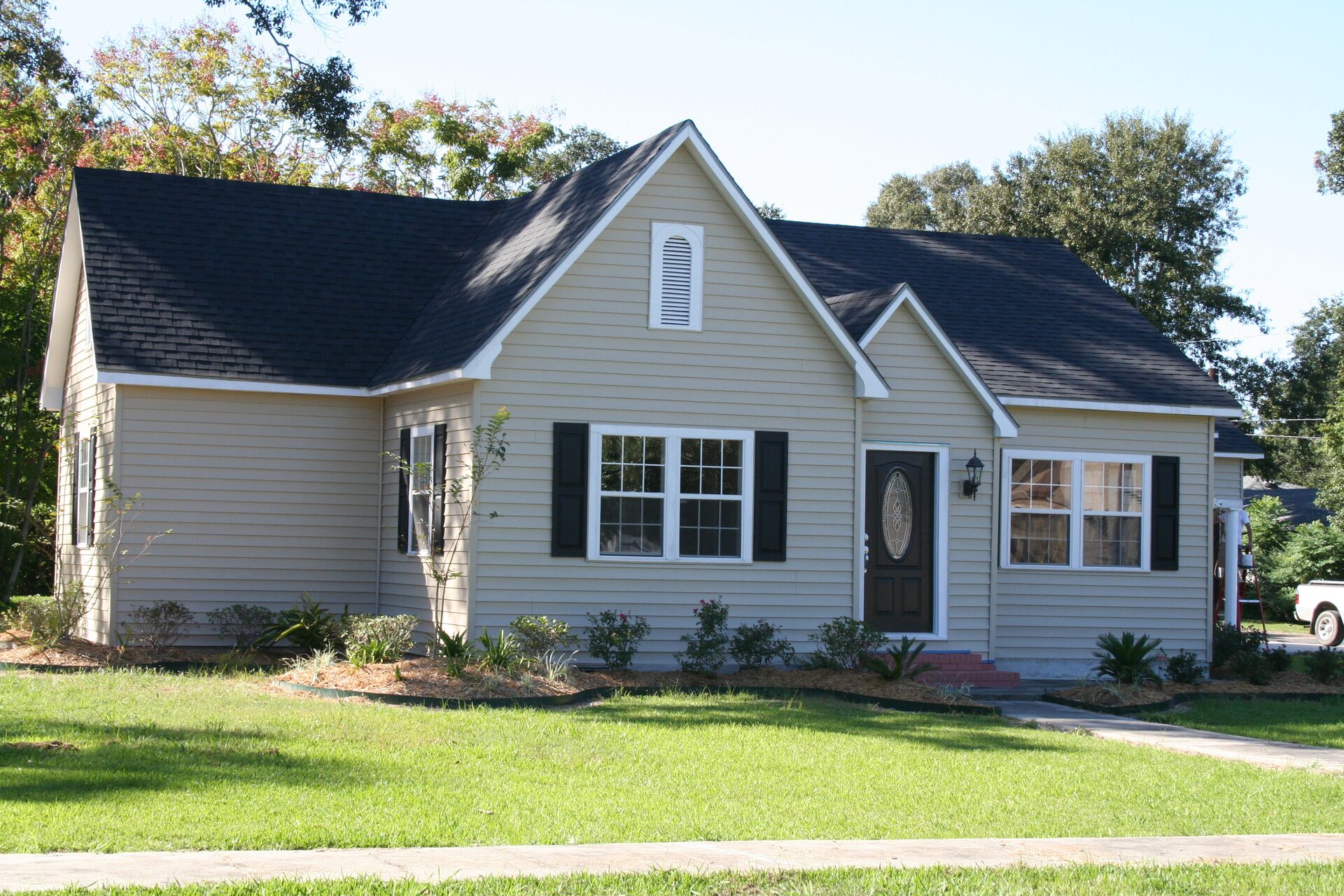
Your home’s siding protects your property while enhancing its overall appearance. Over time, exposure to weather, moisture, and temperature changes can cause siding materials to deteriorate. Recognizing the signs you need new siding early can help prevent costly damage and ensure your home stays properly protected.
Visible Cracks, Warping, or Gaps
Cracks, warping, and gaps are some of the most noticeable signs you need new siding, and they often indicate that the material is no longer providing proper protection. These issues can develop over time due to constant exposure to changing temperatures, moisture, and weather conditions. When panels begin to separate or lose their shape, they create openings that allow water and air to enter behind the surface, potentially leading to mold, rot, or structural damage.
Frequent Need for Repairs
If you’re constantly addressing siding issues, you may need to consider siding repair versus replacement. Repeated fixes can quickly become costly and often fail to resolve underlying problems, making this one of the most practical signs you need new siding. While occasional repairs are normal, ongoing maintenance suggests deeper deterioration that cannot be fully corrected with patchwork solutions.
Fading, Peeling, or Discoloration
Fading, peeling, or discoloration can signal more than just normal wear and tear—they are often early signs you need new siding. As siding ages, its protective outer layer begins to break down, leaving the material more vulnerable to moisture, UV exposure, and further deterioration. While some color fading is expected over time, uneven discoloration, peeling finishes, or persistent staining may indicate that the siding is no longer effectively shielding your home.
Increased Energy Bills for Your Home
Rising utility costs can sometimes be traced back to issues with your home’s exterior, making them one of the less obvious signs you need new siding. When siding begins to deteriorate, gaps, cracks, or weakened materials can allow outside air to enter and conditioned air to escape, forcing your heating and cooling systems to work harder. This loss of efficiency often leads to higher energy bills throughout the year.
Moisture, Mold, or Rot
If you are wondering how to tell if siding is bad, check for moisture, mold, and rot. When siding fails to keep water out, moisture can become trapped behind the panels, leading to hidden damage that worsens over time. You may notice bubbling surfaces, soft spots, or visible mold growth, all of which indicate that your siding is no longer providing a reliable barrier. These issues not only affect the exterior but can also compromise the structure of your home if left untreated.
Loose or Missing Panels
Loose or missing panels are clear signs you need new siding, as they leave your home exposed to the elements and reduce overall protection. Strong winds, aging materials, and repeated expansion and contraction can cause siding to loosen or detach over time. When panels are no longer securely in place, water, debris, and pests can easily find their way behind the exterior, leading to additional damage.
Interior Signs of Siding Failure
Interior damage can often be one of the most telling signs you need new siding, even if the exterior appears relatively intact. Issues such as peeling paint, warped drywall, or unexplained moisture inside your home may indicate that the siding is no longer keeping water and air out effectively. You might also notice drafts near walls or windows, which can point to gaps or failing materials on the outside.
Pest Infestations Caused by Failing Siding
Pest infestations are often overlooked signs you need new siding, but damaged or deteriorating panels can create easy entry points for insects and small animals. Cracks, gaps, and loose sections allow pests to get behind the siding, where they can nest and cause further damage to your home’s structure. Over time, this can lead to insulation issues, contamination, and additional repair needs.
Age of Your Siding
The age of your siding is one of the most reliable indicators of its overall performance and durability. Even if there are no obvious issues, older materials naturally break down over time due to constant exposure to weather and environmental conditions. As siding reaches the end of its expected lifespan, it becomes less effective at protecting your home and more prone to damage.
Outdated Appearance or Poor Curb Appeal
An outdated or worn exterior can be one of the more noticeable signs you need new siding, especially if your home no longer looks as well maintained as it once did. Faded colors, uneven textures, or aging materials can make your property appear older and less inviting, even if the structure itself is in good condition. While appearance may seem like a cosmetic concern, it often reflects underlying wear that can impact performance over time.
Siding Problems & Solutions
If you’ve noticed any of these signs you need new siding, taking action early can prevent more serious issues. Addressing problems promptly helps protect your home and reduce long-term costs.
Siding Unlimited, LLC, can help you know when to replace siding and recommend the right solution for your home. Contact us today to schedule a professional evaluation and learn more about your options for high-quality siding solutions.
